| Portugal is often associated with sun-drenched beaches and city breaks in Lisbon or Porto, but beyond the well-trodden coastal routes lies a network of protected landscapes that remain largely off the mainstream Irish travel radar. They include volcanic island valleys in the Azores and remote inland reserves near the border. These natural parks showcase a different side of the country, beyond the well-known Arrábida and Sintra-Cascais Natural Parks near Lisbon, as well as the Peneda-Gerês National Park in the north of the country.
For those looking to go beyond resort holidays, these five protected areas offer a compelling mix of hiking, wildlife, cultural heritage and slow travel experiences.
Parque Natural do Alvão
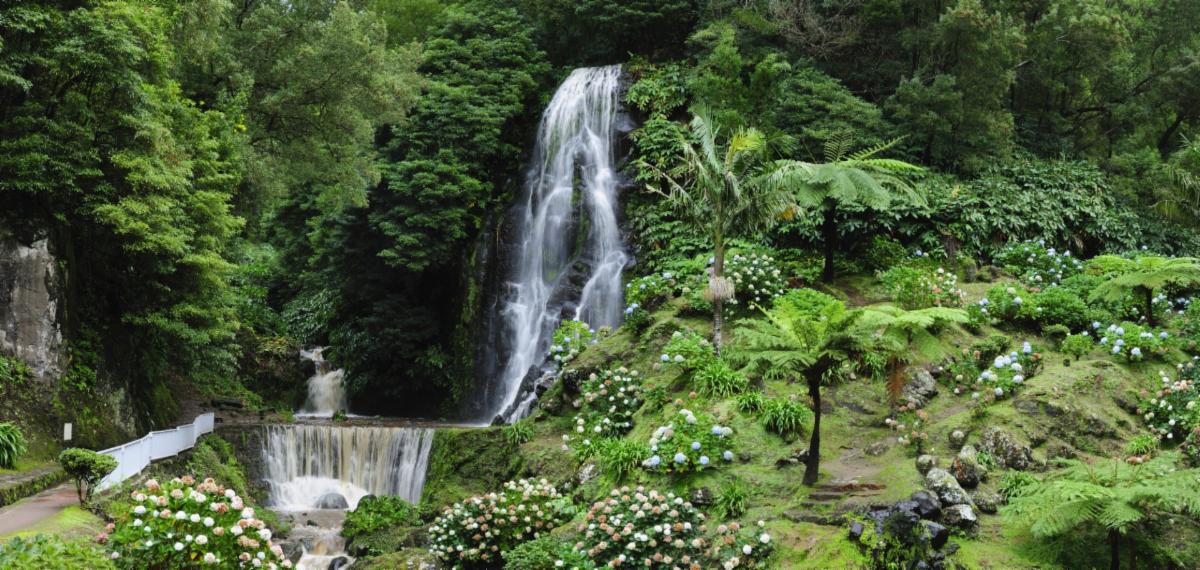
Just an hour away from Porto, Parque Natural do Alvão feels surprisingly remote given its accessibility. Its most iconic feature, the Fisgas de Ermelo waterfalls, sees the River Olo plunge dramatically through a series of rocky terraces, creating one of northern Portugal’s most striking natural spectacles.
Beyond the waterfalls, the park is defined by granite uplands, traditional stone villages and a strong sense of rural continuity. Small settlements such as Lamas de Olo and Ermelo retain traditional architecture and farming practices, offering visitors a glimpse of a slower, more self-sufficient way of life.
For Irish visitors, Alvão is particularly well suited to short hiking breaks or as a detour from Porto, combining rugged landscapes with authentic cultural texture.
Reserva Natural da Serra da Malcata
On Portugal’s eastern frontier near the Spanish border, Serra da Malcata represents a very different proposition: isolation, biodiversity and rewilding. Created primarily to protect the Iberian lynx, one of Europe’s most endangered wildcats, the reserve is one of the country’s least densely populated protected areas.
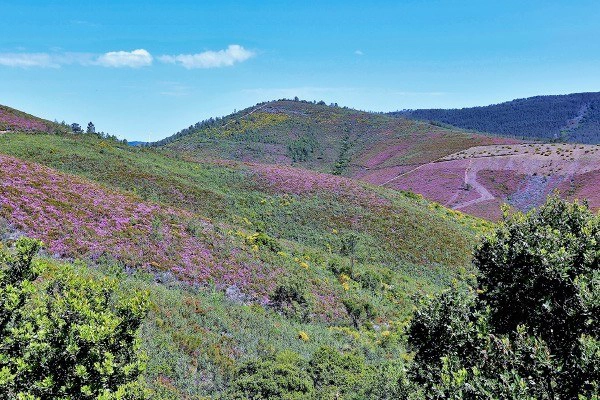
The landscape is characterised by rolling hills, river valleys and Mediterranean scrubland, supporting species such as wildcats, otters and birds of prey. Walking trails and mountain routes allow visitors to experience a landscape shaped more by conservation than tourism.
Malcata is best understood as Portugal’s “deep wild” a destination for those seeking solitude, eco-focused travel and a sense of untamed Europe rarely found elsewhere in Western Europe. |