Five Portuguese natural parks Irish tourists should discover

Portugal is often associated with sun-drenched beaches and city breaks in Lisbon or Porto, but beyond the well-trodden coastal routes lies a network of protected landscapes that remain largely off the mainstream Irish travel radar. They include volcanic island valleys in the Azores and remote inland reserves near the border. These natural parks showcase a different side of the country, beyond the well-known Arrábida and Sintra-Cascais Natural Parks near Lisbon, as well as the Peneda-Gerês National Park in the north of the country.

For those looking to go beyond resort holidays, these five protected areas offer a compelling mix of hiking, wildlife, cultural heritage and slow travel experiences.

Parque Natural do Alvão

Just an hour away from Porto, Parque Natural do Alvão feels surprisingly remote given its accessibility. Its most iconic feature, the Fisgas de Ermelo waterfalls, sees the River Olo plunge dramatically through a series of rocky terraces, creating one of northern Portugal’s most striking natural spectacles.

Beyond the waterfalls, the park is defined by granite uplands, traditional stone villages and a strong sense of rural continuity. Small settlements such as Lamas de Olo and Ermelo retain traditional architecture and farming practices, offering visitors a glimpse of a slower, more self-sufficient way of life.

For Irish visitors, Alvão is particularly well suited to short hiking breaks or as a detour from Porto, combining rugged landscapes with authentic cultural texture.

Reserva Natural da Serra da Malcata

On Portugal’s eastern frontier near the Spanish border, Serra da Malcata represents a very different proposition: isolation, biodiversity and rewilding. Created primarily to protect the Iberian lynx, one of Europe’s most endangered wildcats, the reserve is one of the country’s least densely populated protected areas.

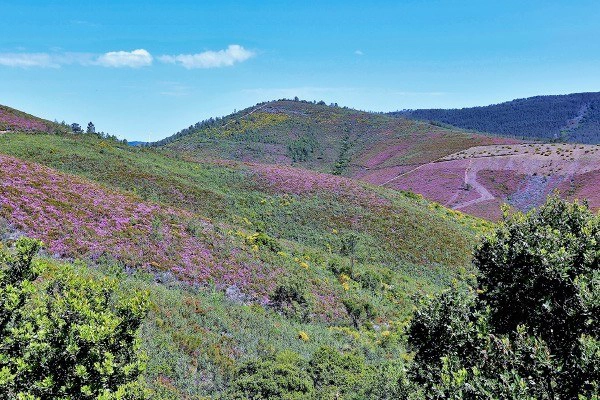
The landscape is characterised by rolling hills, river valleys and Mediterranean scrubland, supporting species such as wildcats, otters and birds of prey. Walking trails and mountain routes allow visitors to experience a landscape shaped more by conservation than tourism.

Malcata is best understood as Portugal’s “deep wild” a destination for those seeking solitude, eco-focused travel and a sense of untamed Europe rarely found elsewhere in Western Europe.

Parque Natural da Serra de São Mamede

In northern Alentejo, Serra de São Mamede offers a more temperate and unexpectedly green version of Portugal’s south. Rising above the surrounding plains, the mountains create a cooler microclimate that supports cork oak forests, chestnut groves and rich birdlife.

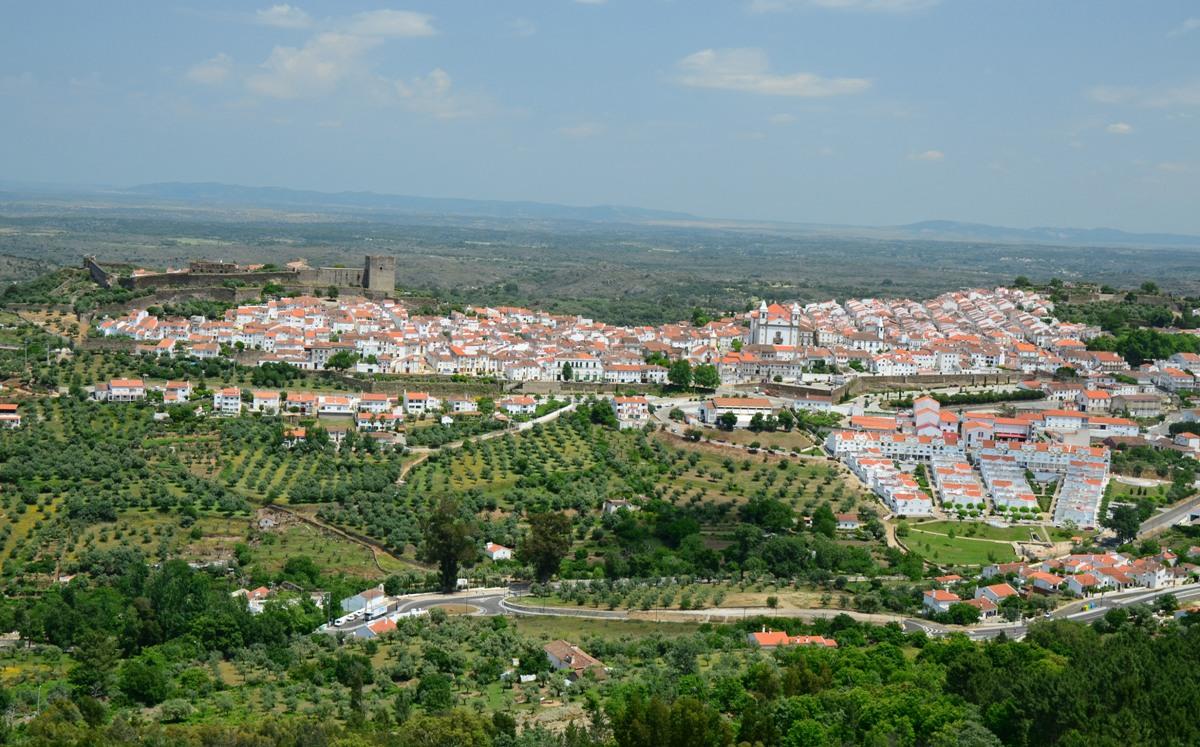
The park’s appeal lies in its blend of nature and heritage. The fortified hill town of Marvão, perched dramatically on a granite ridge, is one of Portugal’s most photogenic medieval settlements, while nearby Castelo de Vide adds even further historical depth.

This is also a strong gastronomic region, known for olive oil, cheeses and Alentejo wines, making it ideal for visitors who want walking routes combined with food, wine and cultural discovery.

Parque Natural da Ria Formosa

Stretching along the eastern Algarve between Faro and Tavira, Ria Formosa is a vast coastal lagoon system made up of barrier islands, sandbanks and tidal channels. While the Algarve is well known to Irish holidaymakers, this protected landscape offers a more ecological and less commercial perspective on the region.

Many of the islands are only accessible by ferry or small boat, creating a sense of separation from the mainland. Fishing communities still operate across the lagoon, coexisting with protected wetlands that support flamingos, seahorses and a wide range of migratory birds.

Ria Formosa is best positioned as an alternative Algarve experience. One that is defined by island hopping, nature watching and quiet beaches rather than large resorts.

Ribeira dos Caldeirões Natural Park

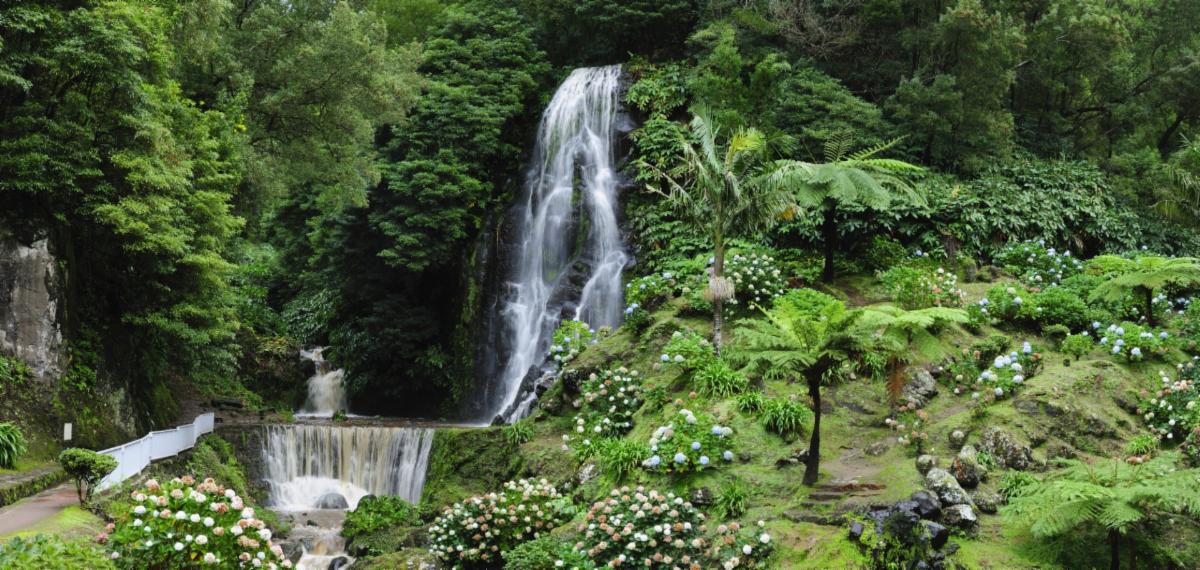
In the Azores, Ribeira dos Caldeirões offers one of the most accessible introductions to the archipelago’s volcanic landscapes. Located in the Nordeste region of São Miguel, the park centres around a lush river valley. A place where waterfalls can be observed as they cascade through dense, mossy vegetation.

A distinctive feature of the park is its restored watermills, some of which remain operational, adding a cultural and historical layer to the natural scenery. The surrounding Laurissilva forest reinforces the sense of a landscape shaped by both geology and Atlantic climate.

Ribeira dos Caldeirões is also a gateway into adventure tourism in the Azores, with canyoning and walking routes making it a popular but still relatively uncrowded natural attraction.

These natural parks highlight just a small example of the breadth of diversity when it comes to Portugal’s protected landscapes. Including the Atlantic wilderness of the Azores, the granite valleys of the north, and the wetlands of the Algarve, each offers a distinct version of the country.

As demand grows for more sustainable and experience-led tourism, these lesser-known parks provide a timely reminder that Portugal’s most memorable landscapes are often found away from its beaches and cities.